The Cost of Slow Decisions in Fast Markets
TL;DR
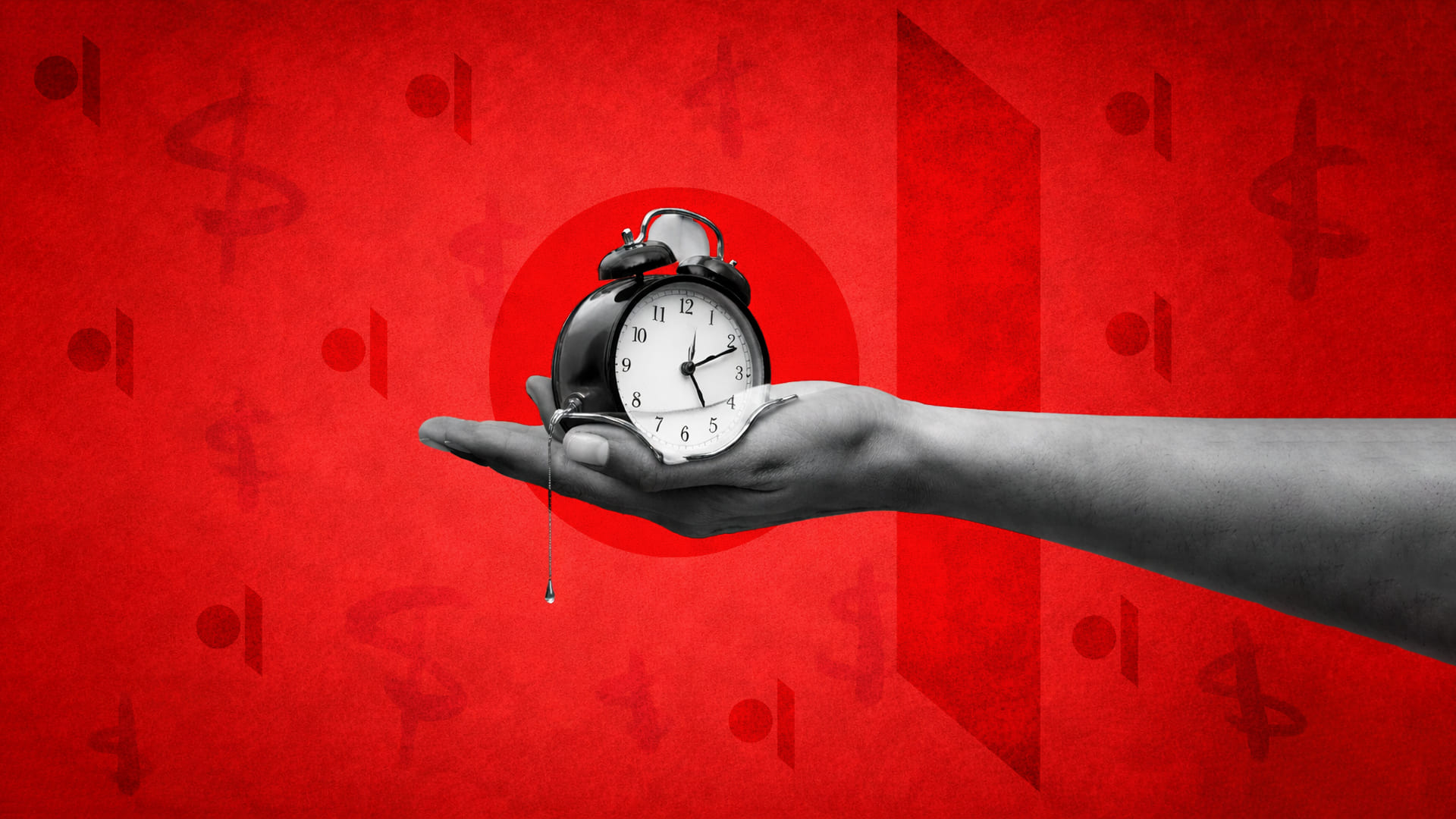
Slow decision-making is one of the biggest hidden threats to business growth, causing missed opportunities, lost momentum and weaker performance. In fast-moving markets, speed creates learning and learning drives optimization and competitive advantage. Businesses that prioritize action over perfection consistently outperform those stuck in analysis and delays.
Speed has quietly become one of the most valuable business assets. Not speed in execution alone, but speed in decision-making.
Markets today move faster than ever. Consumer behavior shifts in weeks, not years. Platforms update algorithms overnight and competitors launch campaigns in days. New tools emerge consistently, lowering barriers to entry and raising customer expectations at the same time. In this environment, the biggest threat to growth is rarely competition. It’s hesitation.
Most businesses don’t lose because they make bad decisions. They lose because they make late ones. Slow decision-making creates invisible costs that rarely appear on financial statements, yet directly impact revenue, momentum and brand perception. Opportunities pass quietly, leads go cold, trends peak and fade, teams lose energy and customers move on.
By the time a decision has finally been made, the moment has already shifted.
One of the most common patterns we see is this: A business identifies a clear opportunity by launching ads, improving SEO, fixing a website flow, implementing automation, or rolling out a new system. Everyone agrees it makes sense. But instead of moving forward, the process stretches. More meetings are scheduled, more opinions are collected, more approvals are requested, budgets are revised and timelines slip.
What started as a strategic initiative suddenly becomes an administrative exercise. Meanwhile, competitors act.
In fast markets, speed compounds. The first mover gathers data earlier, optimizes sooner and builds momentum while others are still discussing options. Performance marketing is a perfect example. The sooner you launch, the sooner you’ll learn. Every week of delay is a week without insights, without optimization and without results.
Waiting feels safe but in reality, it’s often the riskiest choice.
Slow decisions also have a psychological cost inside organizations. Teams lose clarity when direction is delayed. Motivation drops when projects stall. High performers become frustrated when progress depends on endless approvals. Over time, this creates a culture of caution rather than action. People stop proposing ideas because they assume nothing will move quickly anyways.
This is how businesses unintentionally train themselves to be slow and customers feel it too.
They experience delayed responses, unclear timelines and inconsistent follow-ups. What starts as internal indecision becomes external friction and friction is the fastest way to lose trust. In a world where alternatives are always one click away, customers don’t wait patiently for alignment meetings.
They choose brands that move.
Another hidden cost of slow decisions is data loss. Every delayed launch is lost learning and every postponed campaign is missed insight. Every unimplemented system is another month of operating blindly. Modern businesses run on feedback loops. The faster those loops turn, the stronger the strategy becomes. When decisions lag, feedback disappears and companies are forced to rely on assumptions as opposed to evidence.
This is why speed today is not recklessness. It’s intelligence.
Fast decision-making doesn’t mean acting without thinking. It means building frameworks that allow confident action with imperfect information. It means defining ownership clearly, setting thresholds for approval and trusting teams to execute. It means understanding that waiting for perfect clarity often guarantees missed opportunity.
Strong organizations don’t aim for flawless decisions. They aim for reversible ones. They test, measure, adapt and improve. They treat strategy as a living process rather than a fixed plan. They understand that momentum itself creates advantage.
At DSRPT, we see this everyday across marketing, technology and operations. The clients who grow fastest aren’t necessarily the ones with the biggest budgets. They’re the ones who move and launch campaigns early, refine based on performance, adopt systems quickly and make decisions close to real data instead of distant assumptions.
They value progress over perfection.
The truth is simple: Markets reward action. Speed creates learning. Learning creates optimization. Optimization creates growth.
Slow decisions do the opposite. They drain momentum, dilute accountability and quietly hand advantage to competitors who are willing to move forward while others are still debating.
In today’s business landscape, the cost of waiting is almost always higher than the cost of trying because your competitors aren’t standing still and neither should you.
Frequently Asked Questions
Why is speed in decision-making important for businesses today?
Because markets change rapidly, and delays result in missed opportunities, slower learning, and lost competitive advantage.
Is fast decision-making the same as being reckless?
No. Fast decision-making is about acting with structured frameworks and adapting quickly—not making careless or uninformed choices.
What are the risks of slow decision-making?
Missed opportunities Lost revenue Reduced team motivation Poor customer experience Competitive disadvantage
How does slow decision-making affect marketing performance?
Delays in launching campaigns mean delayed data, slower optimization, and weaker results compared to competitors who act faster.
What is a “reversible decision” and why does it matter?
A reversible decision is one that can be adjusted or undone. Focusing on these allows businesses to act faster without long-term risk.
How can businesses improve decision-making speed?
Define clear ownership Reduce unnecessary approvals Set decision timelines Use data-driven frameworks Empower teams to act
How does decision speed impact company culture?
Fast decisions create a culture of action and innovation, while slow decisions lead to frustration, hesitation, and reduced initiative.
What is the biggest misconception about waiting before acting?
That waiting is safer. In reality, waiting often increases risk by missing timing, data, and market opportunities.