Your Brand Isn’t Your Logo. It’s Your Customer Experience.

TL;DR
Branding is not about how your business looks. It’s about how it feels to interact with. Every touchpoint, from Google search to customer service, shapes trust and perception. Businesses that align their operations with their brand experience outperform those focused only on visuals.
For years, businesses have treated branding as a visual exercise. Logos are refined endlessly, color palettes are debated, fonts are scrutinized and entire meetings are dedicated to how a brand ‘looks’.
However, many of these same businesses struggle with customer retention, referrals and long-term growth. Why? Because branding does not live in your logo, it lives in your customer experience.
A logo is what people see. A brand is what people remember. Every interaction a customer has with your business shapes that memory. From the moment that someone discovers you on Google to their first phone call, website visit, WhatsApp message or in-store experience, each touchpoint contributes to how your brand is perceived. These moments quietly build trust or slowly erode it.
A beautiful visual identity cannot compensate for slow replies. A premium design does not fix unclear proposals. A modern website won’t save a broken booking process. Customers do not judge brands based on aesthetics alone, they judge brand based on how easy, reliable and consistent the experience feels.
Most companies imagine their customer journey as a simple funnel: awareness, interest, purchase. In reality, it’s far more complex. Customers discover you, research you, encounter friction, form impressions, experience your service and only then decide whether they trust you enough to return or recommend you. Every delay, every unanswered message, every confusing step introduces doubt. These moments matter far more than typography ever will.
Strong brands rarely feel impressive. They feel effortless.
They are easy to find online. Their information is accurate. Their websites load quickly. Their responses are timely. Their processes are clear. Customers don’t have to chase them for updates or struggle to understand what comes next. Everything feels intentional.
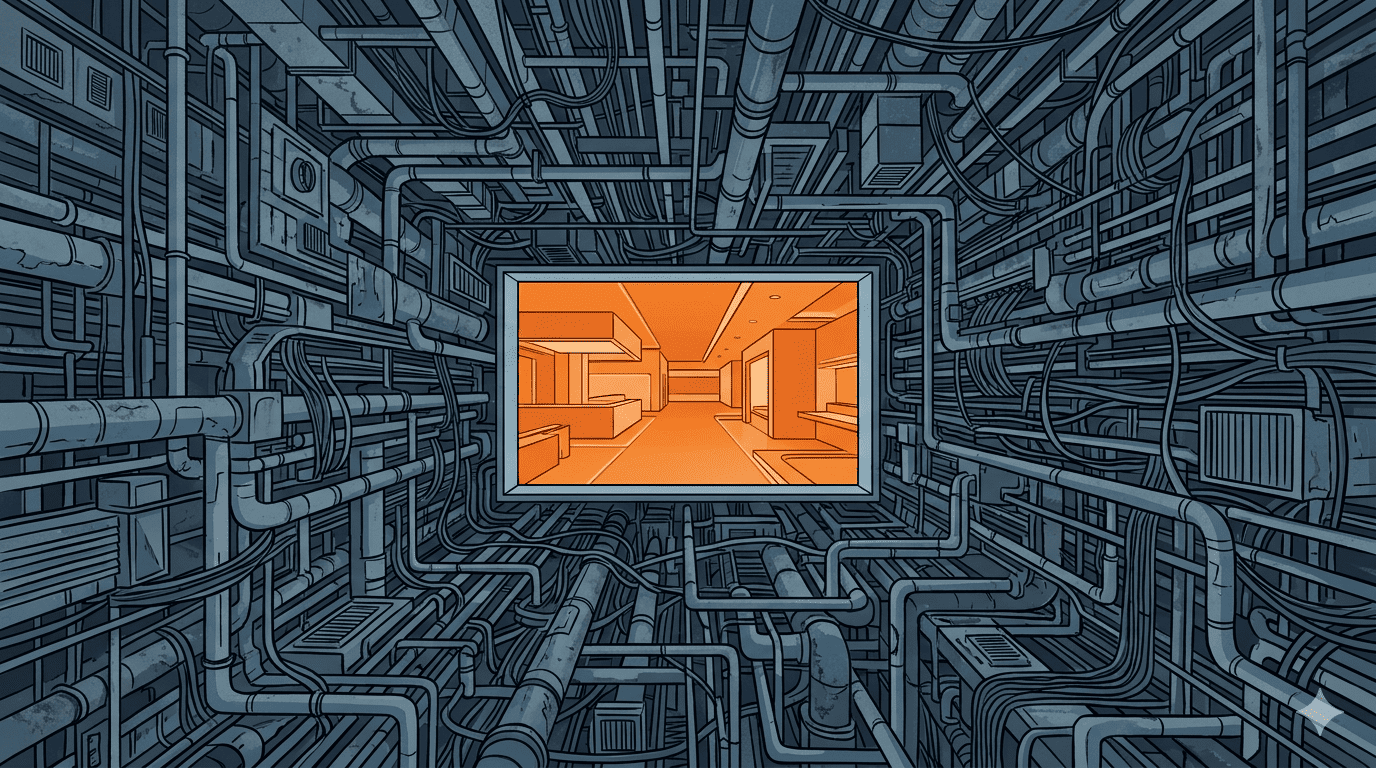
That sense of ease doesn’t happen by accident. It’s created through systems working together behind the scenes. Search visibility, website structure, booking flows, CRM processes, automation, reporting and follow-ups all contribute to the overall experience. When these elements align, customers feel taken care of. When they don’t, customers feel ignored. Even if the branding looks beautiful.
This is why experience scales while design does not.
Design may attract attention, but experience is what actually builds momentum. A single positive experience can turn into repeat business, referrals, reviews and long-term loyalty. A single negative experience can undo months of marketing investment. The brands that grow sustainably understand this. They focus less on surface polish and more on operational consistency. They care about how quickly leads are handled, how clearly expectations are set, how reliably services and delivered and how transparently results are communicated.
Brand equity is created operationally, not artistically.
Today, most first impressions no longer happen face-to-face. They happen digitally. Customers meet your brand through Google Search, Google Maps, websites, social media, WhatsApp and delivery platforms long before they ever meet your team. By the time someone walks into your business or speaks to a representative, they have already formed an opinion.
An outdated Google listing is branding. A slow website is branding. A confusing checkout flow is branding. Unanswered reviews are branding. Digital touchpoints have replaced reception desks and many businesses don’t realize how understaffed theirs has become.
This is also why many traditional branding projects fail. Companies redesign their logos and refresh their visuals while leaving broken processes untouched. The result is surface-level change. Everything looks new, but nothing feels different.
Real rebranding happens when operations improve, when communication becomes clearer, when data turns into decisions, when customer journeys are mapped properly, when teams follow SOPs and when technology supports delivery instead of complicating it. Without this alignment, branding becomes cosmetic and customers can sense the disconnect immediately.
At DSRPT, we don’t see branding as a creative exercise. We see it as an experience architecture.
That means aligning visibility, engagement, conversion, operations and intelligence into one connected system. It means ensuring that what customers see externally matches what happens internally. Because real branding happens when every interaction feels intentional, not just designed.
Your logo introduces you. Your experience defines you.
In today’s competitive market, brands don’t win by looking better. They win by working better. When your systems are strong, your brand follows suit. Everything else is simply decoration.
Frequently Asked Questions
What is the difference between branding and visual identity?
Visual identity includes elements like logos, colors, and fonts. Branding is the overall experience customers have with your business across every interaction.
Why is customer experience more important than design?
Because customers remember how easy, reliable, and consistent your business feels—not just how it looks. Experience directly impacts trust, retention, and referrals.
Can a strong design compensate for poor operations?
No. A great design may attract attention, but poor processes like slow responses or confusing journeys quickly damage trust and perception.
What are key touchpoints that define a brand today?
Google search and maps Website experience Social media presence Messaging platforms (e.g., WhatsApp) Customer service and follow-ups
How does digital presence impact branding?
Most first impressions happen online. Outdated listings, slow websites, and poor user experience negatively shape brand perception before any direct interaction.
Why do many rebranding efforts fail?
Because they focus on visuals without fixing underlying operational issues. This creates a disconnect between how the brand looks and how it actually performs.
What does “experience architecture” mean?
It means designing and aligning all business systems—marketing, operations, communication, and technology—to deliver a seamless and consistent customer experience.